Overview
Choosing the right CPAP mask is one of the most important decisions you will make for the success of your sleep apnea therapy. A poorly fitting mask leads to air leaks, discomfort, skin irritation, and ultimately poor compliance. According to the American Academy of Sleep Medicine (AASM), mask discomfort is one of the top reasons patients discontinue PAP therapy. Three main mask types exist, each designed for different breathing patterns, face shapes, and sleep styles.
Types of CPAP Masks
CPAP masks fall into three main categories: nasal masks, full face masks, and nasal pillow masks. Each type has distinct advantages depending on your breathing habits, comfort preferences, and sleep position. Understanding the differences is essential before making your choice.
- Nasal Mask — covers the nose only; the most popular type for general use
- Full Face Mask — covers both the nose and mouth; essential for mouth breathers
- Nasal Pillow Mask — small cushions that seal at the nostrils; minimal facial contact
Nasal Mask
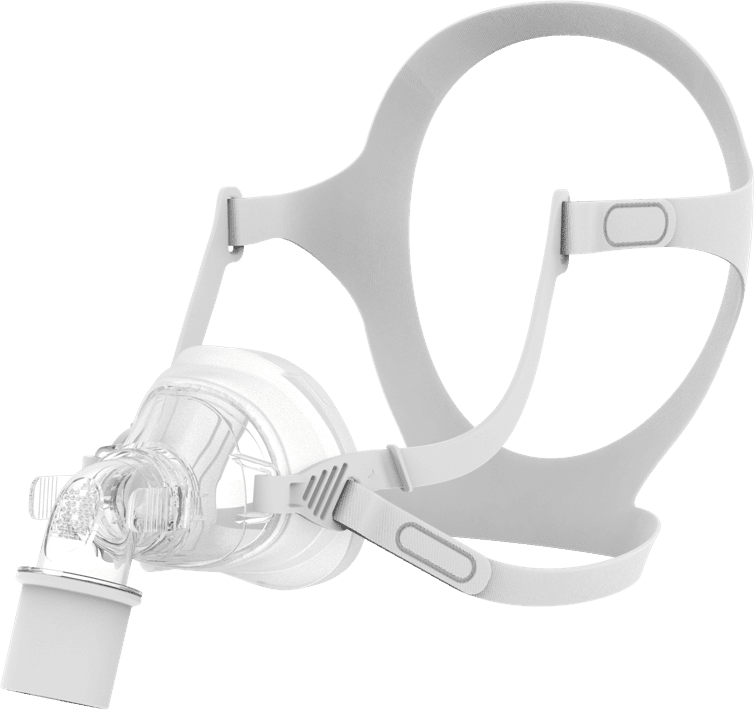
A nasal mask covers the nose from the bridge to just above the upper lip, delivering pressurized air through the nasal passages. It is the most commonly prescribed mask type and works well for the majority of CPAP users. The nasal mask provides a good balance between a secure seal and minimal facial contact.
Advantages
- Lightweight and less bulky than full face masks
- Minimal facial contact compared to full face, reducing claustrophobia risk
- Good for side sleepers as the profile is low enough to avoid pillow interference
- Natural airflow through the nose, which is how the body is designed to breathe during sleep
- Wide range of sizes and shapes available for different face structures
- Easier to maintain a seal across different sleep positions
Disadvantages
- Not suitable for mouth breathers — air escapes through the mouth, reducing therapy effectiveness
- Nasal congestion or a deviated septum can make breathing through the mask difficult
- May cause pressure marks on the bridge of the nose if not fitted correctly
Best For
Most CPAP users, especially nose breathers, side sleepers, and those who move during the night. The nasal mask is a reliable starting point for new users. View our nasal mask for specifications and pricing.
Full Face Mask
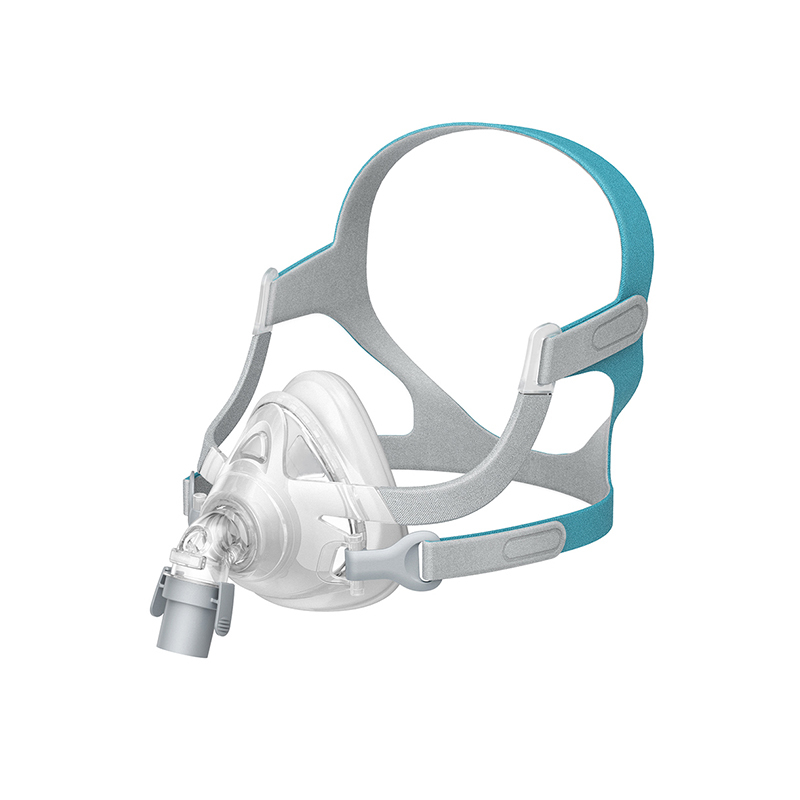
A full face mask covers both the nose and mouth, forming a seal around the entire lower face. This design ensures that pressurized air is delivered effectively regardless of whether you breathe through your nose, mouth, or both. Mayo Clinic notes that full face masks are particularly important for patients who breathe through their mouth during sleep.
Advantages
- Works for mouth breathers — the most significant advantage over nasal masks
- Provides a secure seal even at higher pressure settings (above 15 cmH2O)
- Good for patients with chronic nasal congestion, allergies, or deviated septum
- Some users find the broad surface area distributes pressure more evenly across the face
Disadvantages
- Heavier and bulkier than nasal or nasal pillow masks, which some users find cumbersome
- May trigger claustrophobia in patients sensitive to facial coverage
- Larger surface area means more potential for air leaks if the mask shifts during sleep
- Can be uncomfortable for side sleepers as the mask may press against the pillow
- Facial hair can interfere with the seal, requiring a clean-shaven face for optimal performance
Best For
Mouth breathers, patients with chronic nasal congestion, those prescribed higher pressure settings, and back sleepers. If you frequently wake with a dry mouth despite using a nasal mask, switching to a full face mask may resolve the issue. See our full face mask for details.
Nasal Pillows
Nasal pillow masks are the smallest and least invasive mask type. They consist of two small, soft silicone cushions (pillows) that sit at the entrance of each nostril, creating a direct seal. The minimal design offers the greatest field of vision and the least facial contact of any CPAP mask.
Advantages
- Minimal facial contact — ideal for patients who feel claustrophobic with larger masks
- Lightweight and unobtrusive, allowing you to read or watch TV before sleep
- Excellent for side and stomach sleepers as there is no bulk to interfere with the pillow
- Works well for patients who wear glasses, as it does not cover the bridge of the nose
- Fewer contact points mean less risk of pressure marks or skin irritation
Disadvantages
- Not recommended for higher pressure settings (above 15 cmH2O) as the direct nostril seal may become uncomfortable
- Can cause nostril soreness or dryness with prolonged use, particularly at higher pressures
- Not suitable for mouth breathers
- May not provide a reliable seal for patients with wider or irregularly shaped nostrils
Best For
Patients who prefer minimal facial contact, those with claustrophobia concerns, stomach sleepers, and users at lower to moderate pressure settings. Nasal pillows are often recommended as a second option for patients who have tried nasal masks and want something even lighter.
Factors to Consider
Selecting the right mask involves evaluating several personal factors. No single mask type is universally best — the right mask is the one that fits your specific needs and keeps you comfortable enough to use your device every night.
Breathing Pattern
This is the single most important factor. If you breathe through your nose during sleep, a nasal mask or nasal pillow is appropriate. If you breathe through your mouth or alternate between nose and mouth breathing, a full face mask is necessary. If you are unsure, ask your sleep partner or check whether you wake with a dry mouth — a dry mouth typically indicates mouth breathing.
Prescribed Pressure Level
Higher pressure settings (above 15 cmH2O) require a mask with a larger sealing surface to prevent leaks. Full face masks handle high pressures best. Nasal masks work well at low to high pressures. Nasal pillows are most comfortable at lower pressures (below 15 cmH2O).
Facial Hair
Beards and mustaches can interfere with the mask seal, particularly with full face masks. If you have facial hair, nasal pillow masks may provide a better seal since they only contact the nostrils. Some nasal masks can also work if the facial hair does not extend to the bridge area. If you prefer a full face mask, keeping the hair trimmed along the seal line can help maintain an adequate seal.
Claustrophobia
If you experience anxiety or claustrophobia with a mask covering your face, start with a nasal pillow mask (least coverage) or a nasal mask. Full face masks have the most facial coverage and are most likely to trigger claustrophobia. Gradual acclimatization — wearing the mask during the day while watching TV — can help reduce anxiety over time.
Sleep Position
Your primary sleep position significantly affects which mask will work best. See the sleep position guide below for specific recommendations.
Skin Sensitivity
If you have sensitive skin or are prone to pressure marks, choose a mask with fewer contact points (nasal pillows) or one with a soft silicone cushion and adjustable headgear. Some masks offer gel cushions or memory foam for added comfort. Mask liners can also reduce direct silicone-to-skin contact.
Sleep Position & Mask Choice
Your sleep position is a key factor in mask selection because it determines how the mask interacts with your pillow and how likely it is to shift during the night.
Back Sleepers
Back sleepers have the most flexibility. Any mask type works well because the mask does not press against a pillow. Full face masks, nasal masks, and nasal pillows are all suitable. Back sleeping is the most mask-friendly position.
Side Sleepers
Side sleepers need a low-profile mask that does not get displaced by the pillow. Nasal masks and nasal pillows are the best choices. Full face masks can work but may shift or leak when pressed against the pillow. Using a CPAP-specific pillow with cutouts can help accommodate a larger mask while side sleeping.
Stomach Sleepers
Stomach sleeping is the most challenging position for CPAP therapy. Nasal pillow masks are the best option because they have the smallest profile and are least likely to be displaced when your face is pressed into the pillow. Full face masks are generally not compatible with stomach sleeping. A CPAP-friendly pillow with a face opening can also help.
| Sleep Position | Best Mask Types | Avoid |
|---|---|---|
| Back | Any type (full face, nasal, nasal pillow) | No restrictions |
| Side | Nasal mask, nasal pillow | Bulky full face masks (unless using CPAP pillow) |
| Stomach | Nasal pillow (primary choice) | Full face mask, most nasal masks |
Mask Fitting Guide
A proper fit is essential for effective therapy. Even the right type of mask will cause problems if it is too tight, too loose, or the wrong size. Follow these steps to achieve the best fit, as recommended by the AASM and mask manufacturers.
Step 1: Try On Without Straps
Hold the mask gently against your face without attaching the headgear. The cushion should sit comfortably without pressing into your skin. If the mask feels uncomfortable without straps, it will be worse with them tightened. Ensure the mask sits evenly on your face and the cushion makes light contact all around.
Step 2: Check Comfort Without Pressure
The mask should sit comfortably on your face without any pressure points. For nasal masks, there should be no pinching at the bridge of the nose. For full face masks, the lower portion should rest comfortably below the lower lip without pressing on the chin. For nasal pillows, the cushions should sit at the base of each nostril without pushing upward.
Step 3: Tighten Only Enough to Prevent Leaks
Attach the headgear and tighten the straps gradually. The most common mistake is over-tightening. The mask should seal with minimal pressure. Turn on the CPAP device and check for air leaks around the edges. Adjust the straps one side at a time until leaks are eliminated. You should be able to fit one to two fingers between the strap and your face.
Step 4: Check for Red Marks After Use
After your first few nights, check for red marks or pressure indentations on your face in the morning. Light, temporary marks that fade within 30 minutes are normal. Persistent red marks, sores, or skin irritation indicate the mask is too tight or the wrong size. Loosen the straps or try a different mask size.
Step 5: Replace Cushions Regularly
Mask cushions degrade over time. The silicone loses elasticity, and facial oils break down the material, reducing the seal quality. Replace mask cushions every 3 to 6 months, or sooner if you notice increased leaks despite proper fitting. Replace the full mask frame and headgear every 6 to 12 months. Maintaining fresh cushions is one of the most effective ways to preserve therapy quality and comfort.
Additional Tips
- Wash your face before putting on the mask to remove oils that can degrade the cushion
- Clean the mask cushion daily with warm water and mild soap, as described in our maintenance guidelines
- Try lying down in your usual sleep position during the fitting process, as the mask may shift when you are horizontal
- If you consistently experience leaks despite proper fitting, the mask type or size may not be right for your face shape — try a different option
- Contact us at CPAP Kuwait for guidance on choosing the right size and type for your face